
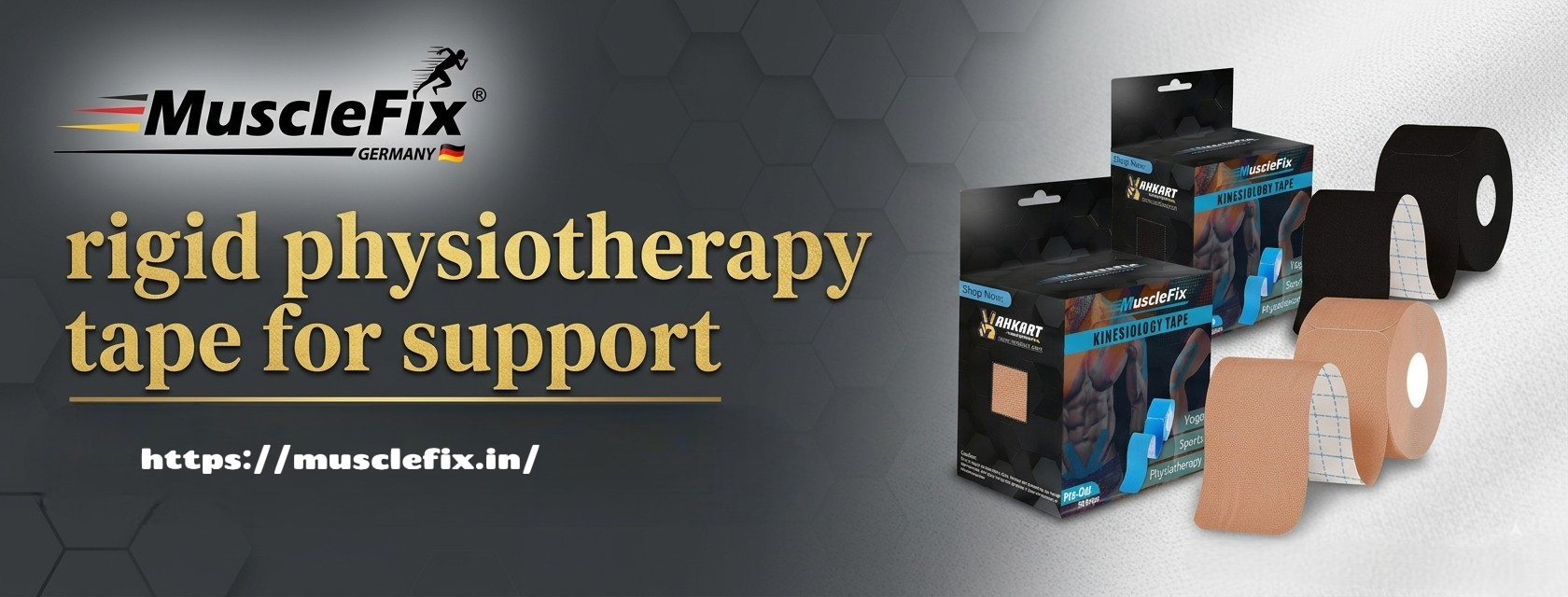
Athletes constantly push their bodies to the limit, whether in training sessions, competitive matches, or endurance workouts. With this physical demand comes a higher risk of strain, injury, and muscle fatigue. To manage these challenges, many professionals and fitness enthusiasts depend on external support tools that help stabilize joints and reduce injury risk. One such widely used solution is rigid physiotherapy tape for support, which has become an essential part of modern sports care. It is commonly applied to areas like ankles, knees, wrists, and shoulders to provide structured stability while still allowing controlled movement. Unlike elastic alternatives, this tape is designed to restrict excessive motion, helping prevent further injury while enabling safer performance during physical activity.
Stability and Injury Prevention in Sports
One of the primary reasons athletes depend on taping methods is injury prevention. During high-impact activities such as running, jumping, or weightlifting, joints are exposed to sudden stress and pressure. The use of rigid physiotherapy tape for support helps reduce unwanted movement that could lead to sprains or ligament strain. By reinforcing joint alignment, it acts as an external support system that assists weakened or previously injured areas. This allows athletes to continue training with greater confidence while minimizing the chances of re-injury. In many sports environments, taping is considered a standard precautionary measure before intense activity.
Kinesiology Tape Rigid Tape
In sports rehabilitation and training environments, the comparison between different taping methods is often discussed, especially when distinguishing flexibility levels and support functions. The phrase “kinesiology tape rigid tape” is commonly used to describe the two major categories of therapeutic tape used in physiotherapy. While kinesiology tape is designed for flexibility and muscle activation, rigid tape is focused on immobilization and structural support. Understanding this difference is important for athletes and trainers when selecting the appropriate method based on injury type and recovery stage.
Role in Joint Support and Movement Control
During intense physical performance, maintaining proper joint alignment is essential for avoiding unnecessary stress on ligaments and tendons. rigid physiotherapy tape for support plays a crucial role in controlling excessive movement, especially in unstable joints such as sprained ankles or strained wrists. By limiting range of motion in specific directions, it helps protect vulnerable areas while still allowing functional movement needed for performance. This balance between restriction and mobility makes it particularly useful during both rehabilitation and active training phases, where complete rest is not always possible but protection is necessary.
Muscle Fatigue Management and Recovery
Recovery is just as important as training for athletic performance. After intense exercise, muscles often experience micro-tears, swelling, and fatigue. Proper support during this phase can significantly improve recovery outcomes. Athletes often rely on taping methods to reduce stress on overworked muscles and promote better posture and alignment. rigid physiotherapy tape for support is often used during recovery periods to stabilize injured regions, allowing tissues to heal without additional strain. This helps athletes return to training more efficiently while reducing the risk of chronic injuries caused by repeated stress.
Buy Rigid Tape for Physiotherapy
When selecting supportive sports materials, athletes and physiotherapists often look for reliable and durable options that can withstand physical activity and sweating. The phrase “Buy Rigid Tape for Physiotherapy” is frequently associated with choosing high-quality tape designed specifically for medical and athletic use. Factors such as adhesive strength, breathability, and ease of application are important considerations. A well-designed rigid tape ensures that it remains in place during movement while still being comfortable enough for extended wear during training or rehabilitation sessions.
Application Techniques and Professional Use
Proper application of athletic tape is essential to achieving its intended benefits. In professional sports and physiotherapy settings, trained practitioners apply tape based on injury type, joint structure, and movement requirements. Incorrect application can reduce effectiveness or even cause discomfort. Athletes are often taught basic taping techniques to manage minor strains independently, especially during travel or competition. In structured rehabilitation programs, taping is combined with strengthening exercises and mobility work to ensure long-term recovery and stability.
psychological confidence and performance support
Beyond physical benefits, taping also contributes to mental confidence. Athletes often feel more secure when they know a vulnerable joint is supported. This psychological reassurance can improve focus and performance during competition. The presence of structured external support reduces hesitation in movement, allowing athletes to perform more naturally and aggressively without fear of re-injury. This combination of physical stability and mental assurance makes taping a valuable tool in competitive sports environments.
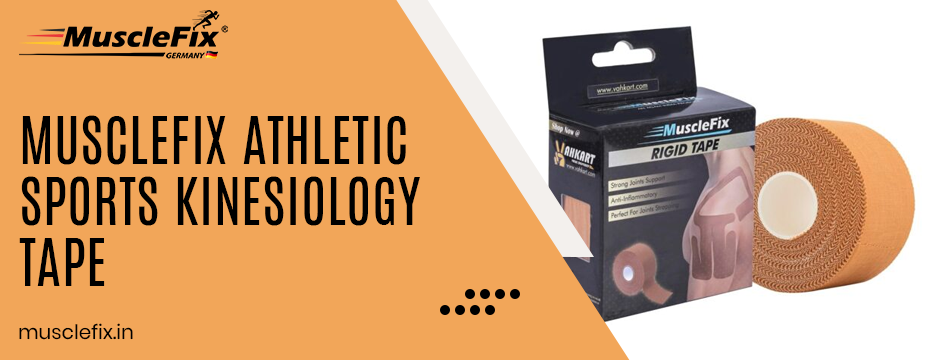
MuscleFix Athletic Sports Kinesiology Tape
In sports therapy discussions and product comparisons, “MuscleFix Athletic Sports Kinesiology Tape” is often referenced as part of the broader category of athletic support solutions. It represents the type of specialized taping material used in both training and recovery scenarios. Such products are designed to balance durability with comfort, making them suitable for extended physical activity while maintaining effective support for muscles and joints.
Long-Term Benefits in Athletic Training
Consistent use of supportive taping methods can contribute to long-term athletic health. By reducing repetitive stress on joints and muscles, athletes can lower the risk of chronic injuries that develop over time. rigid physiotherapy tape for support is especially beneficial for individuals recovering from previous injuries or those participating in high-impact sports. It allows continued participation in physical activity while maintaining protective reinforcement, which supports long-term performance sustainability.
Train Hard, Recover Smart with MuscleFix Performance Support Gear
At MuscleFix, we focus on delivering performance-driven recovery and support solutions designed for athletes, trainers, and active individuals who demand reliability in every movement. Our range includes essentials like athletic tapes, kinesiology tapes, cohesive bandages, foam rollers, and massage tools that are built to support muscle stability, injury recovery, and overall physical performance. Whether you are looking for rigid support during intense training or comfortable recovery tools after workouts, we offer thoughtfully designed products that prioritize durability, breathability, and ease of use.
From pre-wrap foam layers for added comfort under tape to self-adhesive bandages for joint protection and recovery, our products are crafted to help you move with confidence. With a strong commitment to quality, we ensure that every item in our collection supports your journey toward better performance, faster recovery, and long-term physical well-being.
Conclusion
In modern sports and physiotherapy practices, external support tools play a crucial role in maintaining athlete health and performance. Among these tools, rigid physiotherapy tape for support stands out as a reliable solution for stabilizing joints, preventing injuries, and aiding recovery. Its ability to control movement while offering protection makes it an essential part of both training and rehabilitation routines. Whether used for injury prevention, recovery management, or performance enhancement, taping continues to be a trusted method for athletes across all levels. Ultimately, rigid physiotherapy tape bridges the gap between mobility and protection, helping athletes stay active, confident, and resilient throughout their physical journey.